
How Many Miles for a Flight? What Actually Sets the Number
Six of the 22 programs we sell publish no award chart at all, so there is no fixed answer. How each one prices a flight, and how to find your own number before you buy.
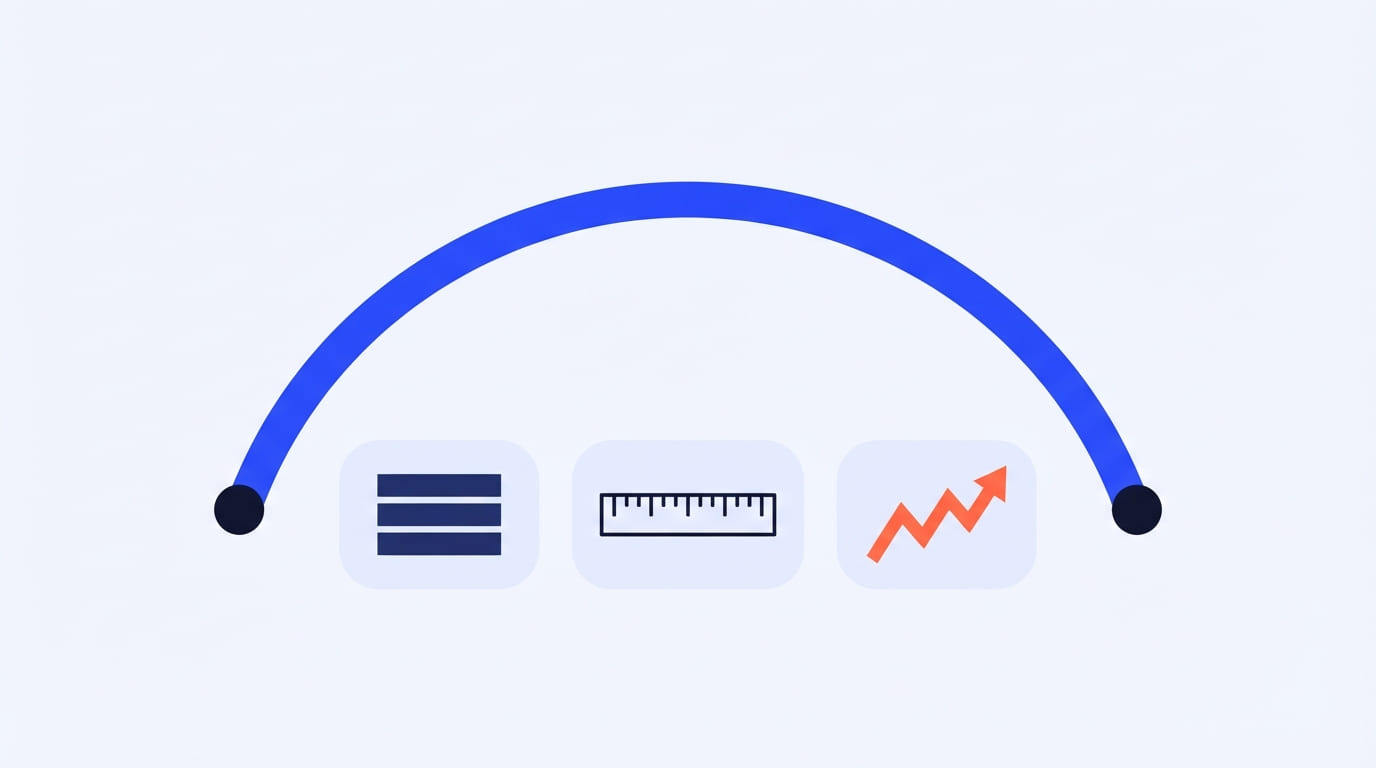
The honest answer is that for six of the twenty-two programs on this site, there is no number. Delta, United, Southwest, JetBlue, Frontier and Flying Blue price an award off the cash fare on the day, which means the miles needed for your flight are whatever the search says this afternoon and possibly something else tomorrow.
For the other sixteen there is a real number, and you can look it up before you spend anything. Which group you are in decides how you should shop.
Three ways a program decides the price
A fixed chart. The program publishes a table: this region to that region, in this cabin, costs this many miles. ANA, EVA Air, KrisFlyer, Turkish and LifeMiles still work this way. The number is knowable in advance, it is the same in January and in July unless the program changes the chart, and it is why these programs are the ones people plan around.
Distance bands. The price follows how far you actually fly, in steps. Both Avios programs, Asia Miles, Atmos Rewards and Etihad’s Saver awards work like this. Still knowable in advance, and the arithmetic rewards short hops and punishes connections through the wrong hub.
Dynamic pricing. The miles are pegged to what the ticket costs in cash, so a peak-season seat costs multiples of the same seat in November. There is nothing to look up. The airline’s own search is the only source of truth, and it is only true for that search.
Plenty of programs run two systems at once. Lufthansa, Air Canada and American price their own flights dynamically and price partner airlines off a published chart, which is exactly why the partner award is so often the better buy.
Every program, and how it prices
| Program | How awards are priced | Published chart? |
|---|---|---|
| Delta SkyMiles | Dynamic, tied to the cash fare | None |
| United MileagePlus | Dynamic on United. Partner awards sit at unpublished levels | None |
| Southwest Rapid Rewards | Points track the cash fare almost exactly | None |
| JetBlue TrueBlue | Points track the cash fare | None |
| Frontier Miles | Follows the cash fare | None |
| Air France-KLM Flying Blue | Dynamic, with monthly Promo Rewards discounts | None |
| American AAdvantage | Dynamic on American. Partner awards follow a chart | Partners only |
| Air Canada Aeroplan | Dynamic on Air Canada. Distance chart on partners | Partners only |
| Lufthansa Miles & More | Dynamic on Lufthansa Group since June 2025. Chart on Star Alliance partners | Partners only |
| Etihad Guest | Distance-based Saver awards from Abu Dhabi. Most other seats dynamic | Saver only |
| British Airways Avios | Distance bands, with peak and off-peak dates | Published |
| Qatar Airways Avios | Distance bands | Published |
| Iberia Avios | Distance bands | Published |
| Cathay Asia Miles | Distance bands, on Cathay and on partners | Published |
| Atmos Rewards (Alaska & Hawaiian) | Distance chart on Alaska and Hawaiian, three regional charts on partners | Published |
| ANA Mileage Club | Region chart with low, regular and high seasons | Published |
| EVA Infinity MileageLands | Region chart | Published |
| Singapore KrisFlyer | Saver chart on Singapore. Partner awards priced separately | Published |
| Turkish Miles&Smiles | Two charts, one for Turkish flights and one for Star Alliance partners | Published |
| Avianca LifeMiles | Region chart | Published |
| Qantas Frequent Flyer | Classic Rewards on distance bands. Classic Plus follows the cash fare | Published |
| Emirates Skywards | Fixed per route, in Emirates’ own miles calculator, at Saver and Flex tiers | Per route |
Checked against each program in August 2026. Award pricing is the fastest moving thing in this industry, so the structure above will outlast any specific number attached to it.
Why we will not print a table of miles per route
Because it would be wrong within months, and a wrong number here costs someone a purchase. Three examples from the last two years, all of them programs on this page:
- Lufthansa moved Lufthansa Group flights to dynamic pricing on 3 June 2025 and devalued the remaining partner chart on the same day. Every guide quoting a Lufthansa business class number from before that date is describing a system that no longer exists.
- Turkish raised award prices in February 2024, then raised partner pricing again in December 2025 without advance notice.
- Emirates raised the miles needed for First, Business and Premium Economy rewards by around 15% from 20 May 2026.
Anyone publishing “45,000 miles to Europe” as a standing fact is publishing a snapshot. The mechanism is durable. The number is not.
The four things that move the number more than the route does
One way against return. Chart programs are not consistent about which they quote, and ANA prices international awards as a round trip that has to be booked as one. Reading a return price as a one way is the single most common way people underbuy.
Whose aircraft you fly. In Miles & More, Aeroplan and AAdvantage the same journey has two prices, one for the airline’s own metal and one for a partner. The gap is often large enough to decide the whole trip.
Whether a saver seat exists. A chart price is a price for a seat the airline has released at that level. If none is released on your date, the number you looked up is not available to you at any point.
Taxes and carrier surcharges. These are paid in cash on top of the miles, and on British Airways and Lufthansa in particular they can run into the hundreds. Miles cover the fare. They do not cover the bill.
How to get your own number, in the right order
- Search the actual flight in that program’s own award search, on your real dates, for your real party size. Not a guide, not a forum post from last year.
- Write down what the search says, including whether it is one way or return and whether it is per person.
- Subtract what you already hold. The gap is what you need, and it is usually smaller than people assume.
- Add a margin. Ten to fifteen percent covers a date change or a modest move in a dynamic price between the quote and the booking. Buying twice costs more than buying slightly long once.
- Test it against the cash fare before you commit. Our calculators price a mileage amount against a real ticket for each program and will tell you when paying cash is the better trade. They say so often enough that we trust them.
Where the miles come from
Once you know the number, the question is what it costs to get there. Buying directly from an airline is priced for the impulse top-up and is usually the most expensive route to a balance, which is why the gap between an airline’s own buy-miles page and a trader rate is normally worth checking rather than assuming.
Live per-mile rates and delivery windows for all twenty-two programs are on their own pages, linked in the table above. A quote states your full cost before anything is agreed, and nothing is charged on this site.
One last thing worth knowing before you buy into a fixed-chart program: those same programs are usually the ones with hard expiry dates. We checked all twenty-two, and the miles you buy arrive with a clock of their own.
Programs mentioned
Need miles for a specific booking?
Tell us the program and the amount, and we'll confirm your exact rate and delivery before you pay anything.
Request a quoteMore reading
Do Airline Miles Expire? All 22 Programs, Checked August 2026
Five of the programs we trade never expire miles. Eleven run an activity clock. Six expire on a fixed date nothing stops. The rule for each of the 22, dated.
Read →
Do Avios Expire? The 36-Month Rule, and the 10-Second Fix
Avios expire after 36 months without activity, but any earn or spend resets the clock. How the rule works for BA, Iberia and Qatar, and the fastest ways to keep a balance alive.
Read →